
California Senate Bill 721 "Balcony Bill" Due January 1, 2026
Understanding California's SB 721: Balcony Inspections for Multi-Unit Properties
Published by EJ Properties • Expert Care, Tailored Solutions
By Elyssa Matson Jones
For property owners, understanding and complying with California Senate Bill 721 (SB 721), known as the "Balcony Bill," is essential for rental properties with three units or more. This bill requires regular inspections of exterior elevated elements (EEEs) such as balconies and stairways to ensure tenant safety and prevent structural failures.1
EJ Properites maintains propery owner compliance and avoids civil penalties of up to $500 per day and possibly a building safety lien against the parcel of land in question.
Key Components of SB 721
Here are five key components of SB 721:
- Applies to buildings with 3 or more units: SB 721 mandates regular inspections for multi-family residential buildings with three or more units.
- Exterior Elevated Elements (EEEs): Inspections are required for any EEEs (balconies, decks, stairways) that are six feet or more above the ground and primarily constructed from wood or wood-based materials.
- Visual Inspection of at least 15%: Inspectors must conduct a visual inspection of at least 15% of each type of EEE to assess their structural integrity and identify any signs of damage or deterioration.
- Inspections every 6 years: EEEs must be inspected every six years, with the first inspection deadline set for January 1, 2026 (originally January 1, 2025, extended by AB 2579).2
- Health & safety concerns: If an inspection reveals immediate health or safety risks, the inspector must notify the local building authority within 15 days, and any necessary repairs must be completed within 120 days.
Inspection Requirements
Under SB 721, all exterior elevated elements (EEEs) that are at least six feet above ground and supported by wood or wood-based materials must be inspected every 6 years. The deadline for completing the first round of inspections is January 1, 2026, following an extension via AB 2579.2
These inspections are not just routine checks; they must be performed by qualified professionals with specific expertise.
Who Can Perform Inspections?
Not just any contractor can carry out the inspection. The law requires that inspections be conducted by:
- Licensed architects
- Licensed structural engineers
- Licensed general contractors with specific classifications: Class A (General Engineering), Class B (General Building), or Class C-5 (Framing and Rough Carpentry). These contractors must have experience working with elevated exterior structures for multiple years.
- Certified building inspectors or building officials with proven qualifications to assess structural integrity.
This ensures that the inspection is conducted by someone who has the experience and expertise necessary to accurately assess the safety of your property’s elevated structures.
Reporting and Follow-Up
Once the inspection is complete, the inspector will provide a detailed report documenting the condition of the EEEs. The report should identify any signs of deterioration, water damage, or structural issues.
The property owner is required to retain these reports for two inspection cycles (12 years), which helps in tracking the long-term condition of the structures. If serious issues are discovered, there are specific steps that must be followed:
- Health and Safety Concerns: If the inspection reveals immediate health or safety hazards, such as structural damage that could lead to collapse, the inspector is required to notify the local building authority (such as the city or county building department) within 15 days.
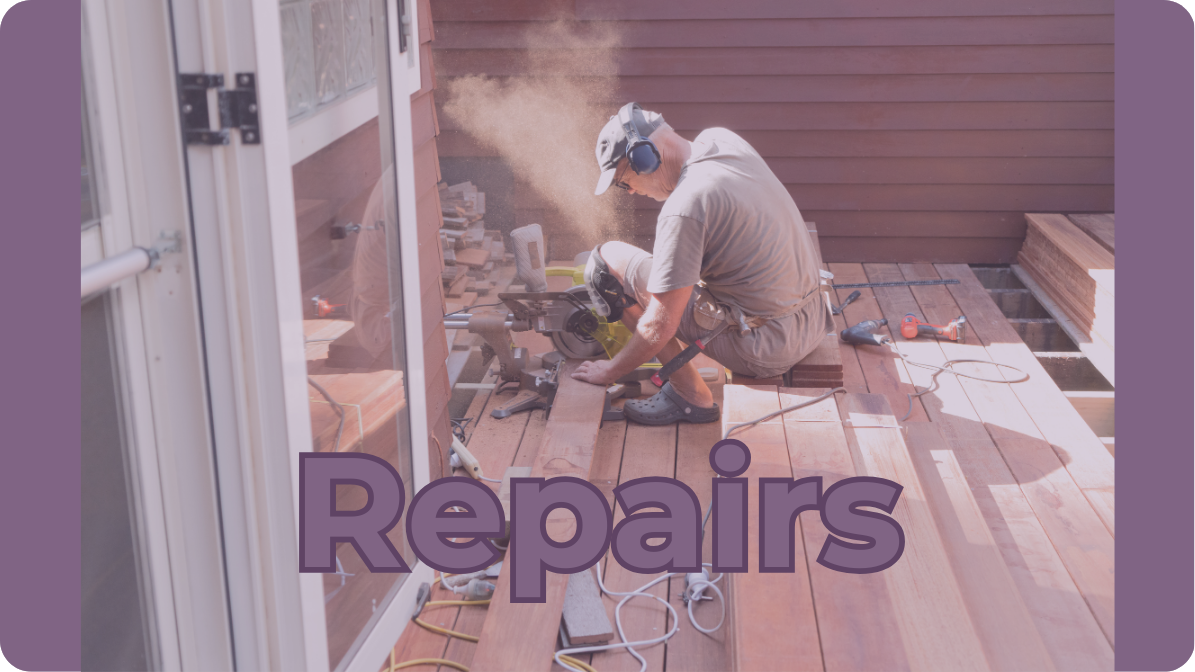
- Repairs: Any significant issues must be repaired within 120 days of receiving the inspection report, unless the local building department grants an extension. For urgent safety issues, faster action may be required.
In some cases, particularly when significant repairs are needed, property owners may need to work closely with local authorities to ensure the repairs are completed in a timely manner and with proper city permits.
Property owners in Orange County, for example, should coordinate directly with their local building departments, as they oversee compliance and can assist with any local-specific guidelines. Currently, Orange County does not have additional regulations beyond SB 721, but staying informed about any updates is key.
Next Steps for Property Owners
To ensure compliance with SB 721, here’s what property owners should do:
- Schedule inspections now to meet the January 1, 2026 deadline.
- Hire qualified professionals who meet the specific licensing requirements set by the law.
- Maintain detailed records of all inspection reports and repairs conducted on the property for a minimum of two inspection cycles.
Proactive compliance protects your investment and ensures tenant safety every step of the way.
EJ Properties provides these services to our owners at no additional cost—we have your back.
By staying proactive, property owners can not only avoid fines but also ensure that their buildings remain safe and structurally sound for their tenants.
For more detailed information, you can review the full text of SB 721 here.
Related Reading
- Leasing & Screening for Investment Rentals – Enhance your tenant selection to complement property safety measures.
- Security Deposits in California (July 2024) – Understand deposit limits and how they tie into property maintenance compliance.
Need Help with SB 721 Compliance?
Our team at EJ Properties can guide you through inspections, repairs, and ongoing compliance to keep your investments safe and profitable.
Get in TouchCategories
- All Blogs (35)
- ca (31)
- California Real Estate (28)
- civil code (17)
- cost segregation (8)
- end of year (9)
- leasing (14)
- listing (13)
- multi unit (14)
- orange county (26)
- probate sale (11)
- property management (24)
- rental laws (19)
- rentals (20)
- sales (11)
- security deposits (13)
- strategy (21)
- trust sale (8)
Recent Posts