
California Natural Hazard Disclosure (NHD) Report: Requirements, Who Orders It, and How to Read It
Published August 22, 2025 • Expert Care, Tailored Solutions
California Natural Hazard Disclosure (NHD) Report
If you are buying or selling residential real estate in California, the Natural Hazard Disclosure (NHD) report is one of the key disclosure documents in the transaction. It helps identify whether a property is located in a certain state or federally mapped hazard area and gives buyers important context about potential risk, insurability, future maintenance obligations, and due diligence.
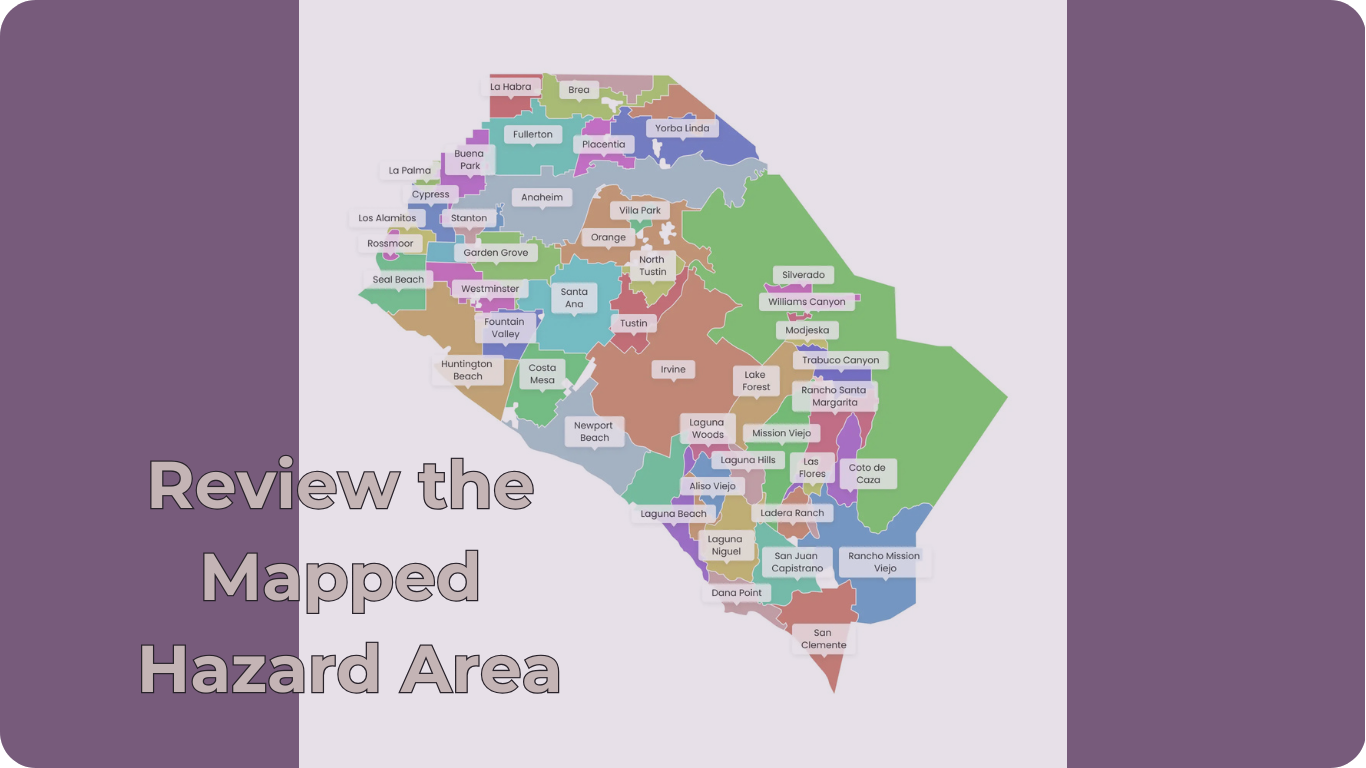
The NHD is not just a formality. It is a practical risk review tool that can affect insurance, lender requirements, and long-term ownership planning.
1. What Is a California Natural Hazard Disclosure Report?
A California Natural Hazard Disclosure report is used to help satisfy statutory disclosure requirements tied to a property's location in designated hazard zones. In practice, it is typically delivered as a third-party report paired with the Natural Hazard Disclosure Statement used in the transaction.
The disclosure framework is commonly associated with California Civil Code Section 1103 and related sections, which address when a seller or seller's agent must disclose that a property is located within specified hazard areas. Read Cal. Civ. Code § 1103 .
Plain-English summary: The NHD helps answer a simple but important question:
Is this property located in a mapped hazard area that a buyer should know about before closing?
2. What Does a California NHD Report Usually Cover?
A standard NHD package generally identifies whether the property is inside or outside statutory hazard zones and may also include supplemental local, tax, or environmental information depending on the provider.
Common Hazard Zone Determinations
- Special flood hazard areas mapped by FEMA
- Areas of potential flooding related to dam inundation
- Very high fire hazard severity zones
- Wildland or forest fire risk areas
- Earthquake fault zones
- Seismic hazard zones (liquefaction or landslide)
Common Supplemental Items
- Mello-Roos or 1915 Bond Act notices when applicable
- Airport influence or airport compatibility overlays
- Military ordnance or environmental notices in certain areas
- Local disclosures affecting use, insurance, or cost
Not every report provider includes the exact same supplemental material, so buyers and sellers should review the full package rather than relying only on the first page.
3. Who Orders the NHD Report in a Transaction?
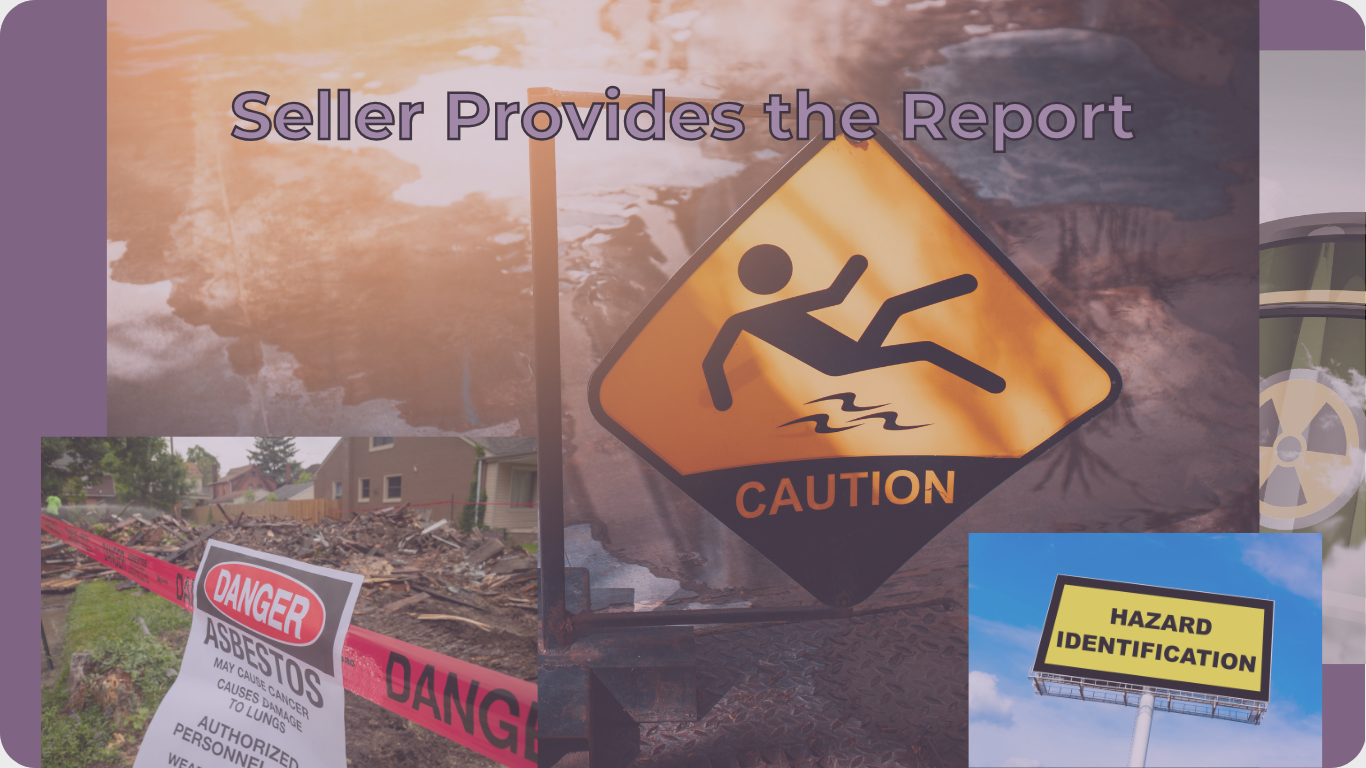
In most California resale transactions, the seller is responsible for providing the disclosure. In practice, that usually means the report is ordered by one of the following:
- The listing agent, as part of the seller disclosure package
- The seller directly, especially in a For Sale By Owner transaction
- An escrow or transaction coordinator, if that is part of the workflow established by the listing side
A buyer can also choose to obtain an independent report for additional verification, but that does not replace the seller's disclosure obligation in the transaction.
Best practice: Order the NHD early, along with the broader seller disclosure package, so buyers have time to review insurance implications, map-based risks, and any related questions before contingencies are removed.
4. Who Signs the California NHD Statement?
The statutory Natural Hazard Disclosure Statement is commonly signed by the parties acknowledging the disclosure and, where a third-party provider is used, the disclosure provider may also be identified on the form.
- Transferor / Seller - acknowledges the disclosure being made
- Agent or agents - commonly sign as part of the disclosure statement format
- Third-party disclosure provider - commonly identified when the statement is based on a substituted third-party report
- Transferee / Buyer - signs to acknowledge receipt and review
From a practical standpoint, the buyer's signature does not mean the buyer agrees with the hazard findings. It generally documents that the disclosure was received and reviewed.
5. Timing, Delivery, and Typical Cost
When should the NHD be delivered?
It should be delivered as early as practicable in the transaction, ideally with the main disclosure package so there is enough time for review, follow-up questions, and insurance discussions.
How is it usually delivered?
Today, most NHD reports are delivered electronically and signed using e-signature platforms as part of the transaction management workflow.
How much does it usually cost?
Pricing varies by provider and report depth, but many standard resale reports are commonly in the range of about $50 to $150. In most cases, this is treated as a seller-side transaction cost unless the purchase agreement provides otherwise.
6. How to Read and Review a California NHD Report
The most useful way to review an NHD is not to ask only whether a box is marked "yes" or "no." Instead, ask what that answer could mean for financing, insurance, maintenance, and future resale.
1. Start With the Hazard Zone Results
- Look for every checked hazard category
- Confirm whether the property is inside or outside the map
- Pay close attention to flood, fire, and seismic entries
2. Review Insurance Impact Early
- Flood zones may affect lender requirements
- Fire zones may affect carrier availability and premiums
- Do not wait until the end of escrow to price coverage
3. Read the Supplemental Pages
- Look for tax district notices and bond assessments
- Review local overlays and advisory language
- Flag anything that may affect ownership cost or use
4. Ask Practical Follow-Up Questions
- Will insurance costs materially change?
- Are there defensible-space or maintenance requirements?
- Could the designation affect improvements or rebuilding?
Buyers should also remember that map-based disclosures are a starting point, not a substitute for independent inspections, insurance review, or legal advice specific to the property.
7. Why the NHD Matters in California Real Estate
For sellers, the NHD helps support compliance with California disclosure rules and can reduce the chance of future disputes over mapped hazard conditions. For buyers, it is a due-diligence tool that can shape decisions about insurance, financing, budgeting, and long-term ownership strategy.
A buyer may still move forward with a property in a hazard zone, but they should do so with clear expectations about risk, cost, and maintenance.
In other words, the NHD is not necessarily a reason to walk away from a property. It is a reason to review the property more carefully and make an informed decision.
Final Thoughts
California's Natural Hazard Disclosure process is one of the core parts of residential real estate due diligence. When ordered early, reviewed carefully, and paired with strong follow-up from insurance and transaction professionals, it gives both buyers and sellers a clearer picture of the property before closing.
Related Reading
Need help reviewing California disclosures?
EJ Properties helps buyers, sellers, and investors make informed decisions with practical guidance tailored to California real estate.
Contact EJ Properties
Categories
- All Blogs (44)
- ca (40)
- California Real Estate (36)
- civil code (22)
- cost segregation (13)
- end of year (17)
- leasing (18)
- listing (17)
- multi unit (19)
- orange county (35)
- probate sale (15)
- property management (31)
- rental laws (24)
- rentals (26)
- sales (14)
- security deposits (20)
- strategy (30)
- trust sale (12)
Recent Posts