Rental Property: Pets, Deposits, Pools and Unpermitted Rooms
A California-focused refresher for property providers: pet rent vs. pet deposits, security deposit limits and small-landlord exemptions, pool liability considerations, and the risks of renting unpermitted rooms or additions (including habitability implications).
Rental Property: Pets, Deposits, Pools and Unpermitted Rooms
Published by EJ Properties • Expert Care, Tailored Solutions
Rental Property Considerations: Pets, Deposits, Pools, and Unpermitted Additions
As a property provider in California, staying informed about regulations and potential risks is crucial to protecting your investment. Whether you’re deciding on pet policies, handling security deposits, or evaluating property features like pools and unpermitted additions, understanding the right approach can help you avoid costly mistakes.

Strong rental policies aren’t just good management, they’re risk management.

1. Pet Rent vs. Pet Deposit: What’s the Difference?
When allowing pets in a rental property, property providers often choose between charging pet rent, a pet deposit, or both.
- Pet Rent – A recurring monthly charge (often $25–$100 per pet). It is non-refundable and helps offset additional wear and tear.
- Pet Deposit – A one-time refundable deposit collected upfront to cover pet-related damages.
Important Considerations
- ADA & Fair Housing – Service animals and emotional support animals generally cannot be charged pet rent or pet deposits.
- Total Deposit Limit – Always confirm current California limits and any stricter local rules.
- Use of Deposits – Pet deposits should only be used for pet-related damages.
Practical tip: If you allow pets, spell out expectations in writing — including pet rules, cleaning standards, flea treatment, yard cleanup, and noise.
2. Security Deposit Limits & Exemptions for “Small Landlords”
California limits security deposits for many rentals, but “small landlord” exemptions may apply depending on the number of properties and units owned.
Key Takeaways
- Know your status — ownership structure and unit count can change what rules apply.
- Put it in writing — your lease should clearly state deposit terms and refund expectations.
- Check local laws — rent-controlled areas may have additional requirements.
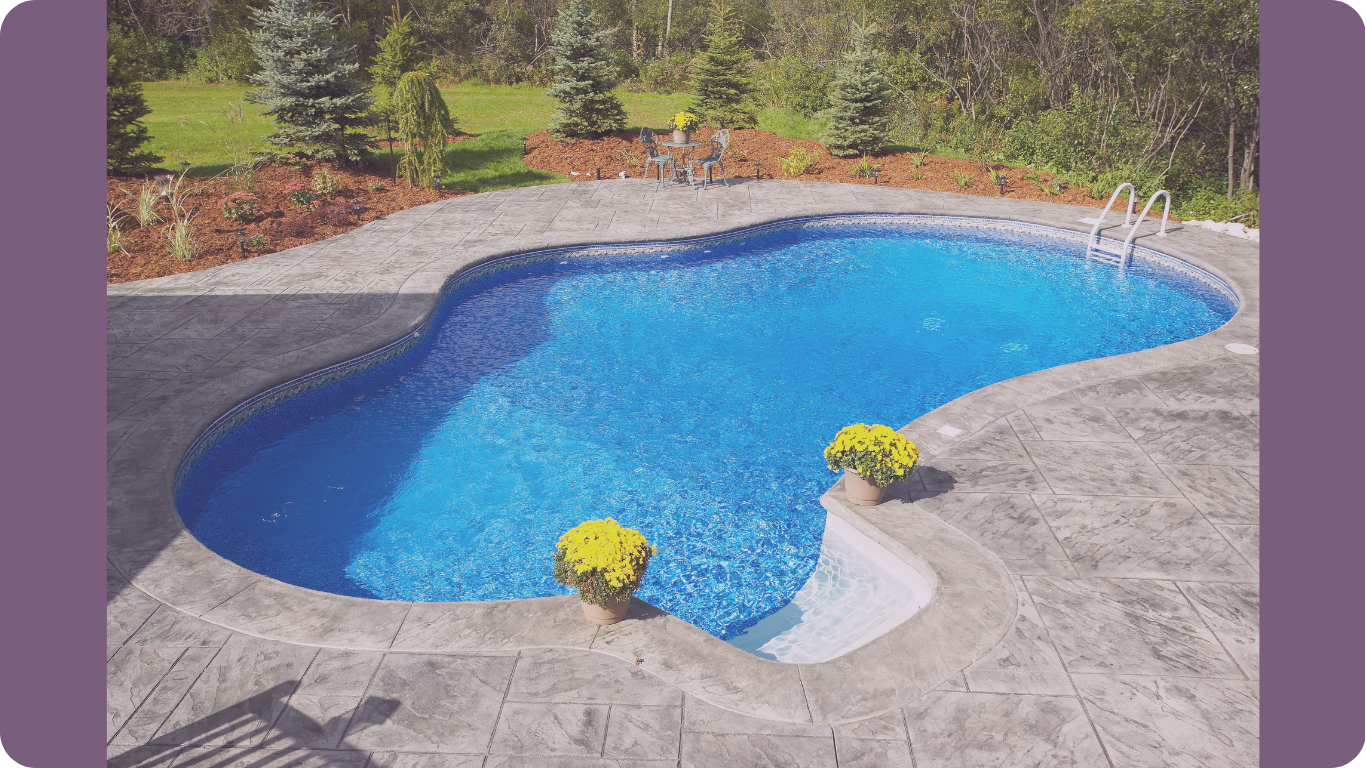
3. The Impact of a Pool on Your Rental Property
A pool can make your rental more attractive, but it comes with added costs, liability risks, and compliance requirements.
Pros
- Higher rental value in warmer climates.
- Competitive advantage in the market.
Cons & Considerations
- Maintenance costs can be significant.
- Increased liability exposure.
- Lease must clearly define maintenance responsibilities.
Risk-reduction checklist:
- Require renters’ insurance and confirm policy minimums.
- Schedule regular inspections and keep written logs.
- Ensure all required safety features are installed and functioning.
4. Unpermitted Additions: Risks & How to Fix Them
Many property providers inherit properties with unpermitted additions, converted garages, or extra rooms. While these may seem like a way to increase income, they carry serious legal and financial risk.
Because permits are required for compliant construction, unpermitted changes are inherently non-compliant and may make the space legally uninhabitable.
Risks of Renting Unpermitted Space
- Code violations, fines, and forced removal.
- Insurance claims may be denied.
- Tenant habitability claims.
- Complications during refinance or sale.
How to Address Unpermitted Additions
- Check local zoning and building rules with your city’s building department.
- Explore retroactive permitting options.
- Bring the space up to code (electrical, plumbing, egress, etc.).
- If it cannot be legalized, do not market it as habitable living space.
Final Thoughts
Understanding pet policies, deposit rules, pools, and unpermitted additions helps you make better decisions as a property provider. Staying compliant protects your investment and supports a positive tenant experience.
Owner-ready checklist:
- Confirm deposit rules and exemptions before leasing.
- Document pet policies clearly and consistently.
- Review insurance coverage for pools and higher-liability features.
- Verify permits for any additions — never assume prior work was approved.
Need expert property management guidance?
EJ Properties helps owners stay compliant, reduce risk, and manage rentals with confidence — pets, deposits, amenities, and more.
Get in Touch
Categories
Recent Posts