
The Power of Body Language: Communicating Beyond Words
Learn why 93% of communication is non-verbal and how mastering body language can improve your professional relationships, negotiations, and everyday interactions.
Published May 29, 2025 at 09:00 AM
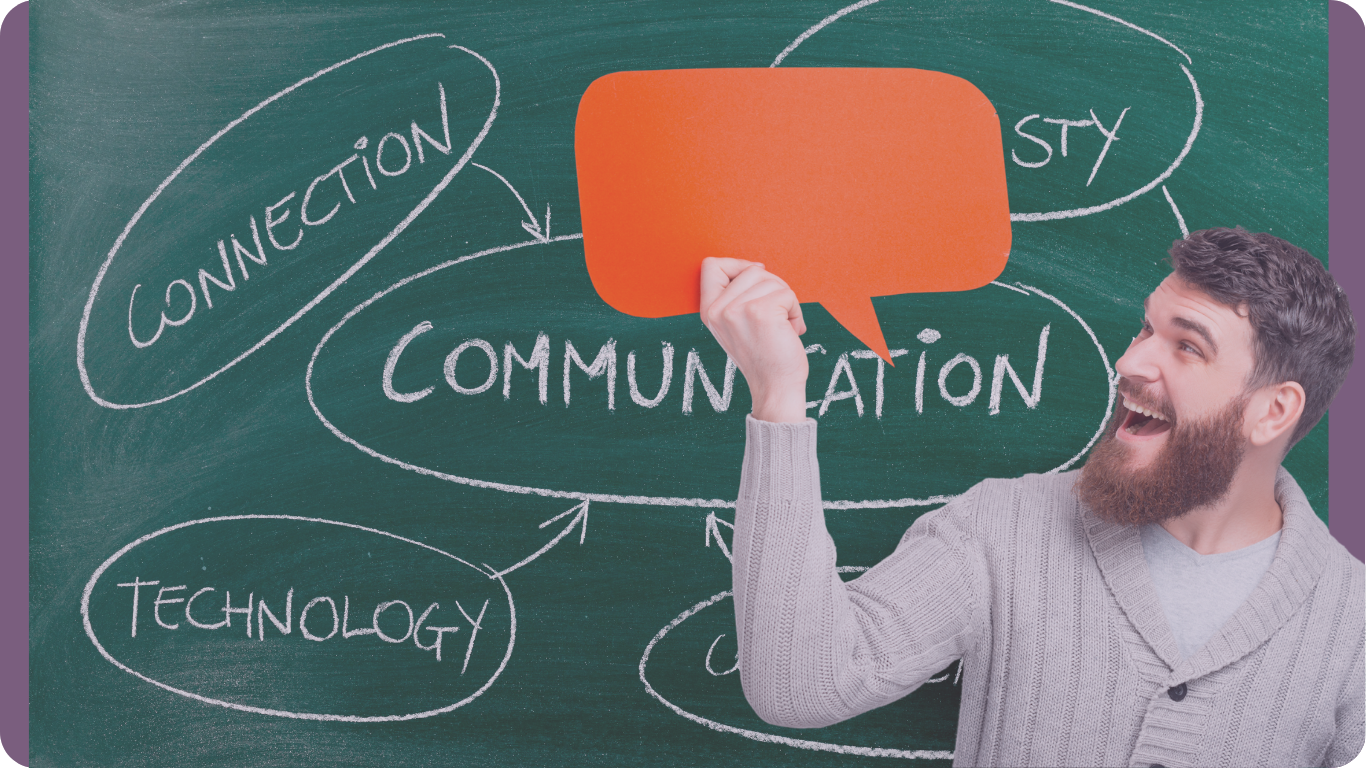
This week's article explores the power of body language and non-verbal cues in shaping relationships and building effective communication.
In everyday interactions, whether in business, personal relationships, or casual encounters, what we say often matters less than how we say it. According to widely cited research, as much as 93% of communication is nonverbal, with only 7% of a message attributed to actual words. The rest is delivered through tone (38%) and body language (55%). That means our bodies often speak louder than our voices.
What Is Body Language?
Body language refers to the non-verbal cues we use to communicate: facial expressions, gestures, posture, movement, and eye contact. These subtle (and sometimes not-so-subtle) signals reveal volumes about our emotions, intentions, and level of engagement, often without us realizing it.
Whether you're leading a meeting, negotiating a contract, or networking at an event, your body language has the power to reinforce your words or contradict them entirely.
Core Components of Body Language
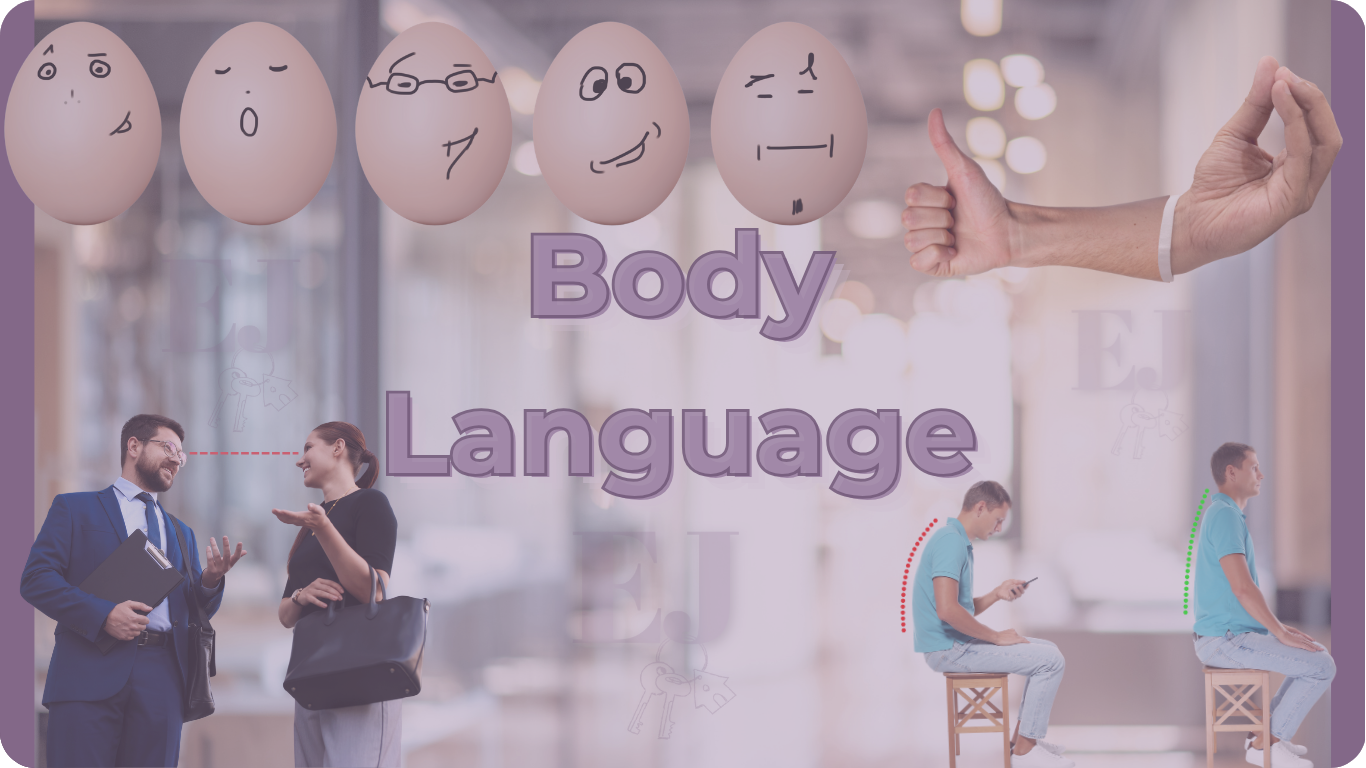
Mastering non-verbal communication starts with understanding the five primary ways our bodies send messages to those around us.
1. Facial Expressions
Our faces are incredibly expressive tools. A smile, a raised eyebrow, or even a subtle eye squint can communicate emotions ranging from excitement to skepticism. The universal nature of facial expressions allows them to transcend language barriers.
2. Gestures
Intentional hand movements help emphasize points, explain complex ideas, or engage an audience. Just be mindful: too much gesturing can become distracting, while too little may appear stiff or disengaged.
3. Posture
The way you carry yourself speaks volumes. An upright posture communicates confidence and readiness, while slouching may be perceived as a lack of interest. Open stances signal approachability.
4. Eye Contact
One of the most powerful non-verbal tools, eye contact fosters trust and signals attentiveness. Too little eye contact may come across as evasive, while too much can feel intrusive. The key is balance.
5. Movement & Mirroring
Subconscious movements, like tapping your foot, often hint at impatience. Conversely, mirroring someone else's body language can subconsciously build rapport and create a sense of harmony.
Why Body Language Matters in Communication
When your words and your body language are aligned, you communicate with greater clarity and impact. Effective body language provides several key benefits:
- Adds Impact: It reinforces what you're saying, making your message clearer and more memorable.
- Reveals Emotions: It offers an authentic glimpse into how someone is feeling, often more accurately than words.
- Influences Perception: People form opinions quickly; your body language can make the difference between coming across as confident or unsure.
- Builds Stronger Connections: Trust and rapport are often built through non-verbal signals before any meaningful words are exchanged.
Tips to Improve Your Body Language
Whether you're speaking to a client, interviewing for a position, or attending a networking mixer, keep these actionable strategies in mind:
- Maintain Appropriate Eye Contact: Engage without staring. Look into the person's eyes long enough to show interest and sincerity.
- Smile Genuinely: A warm smile can set a positive tone and make interactions more welcoming.
- Use Purposeful Gestures: Let your hands naturally support your words. Avoid rigid or overly theatrical movements.
- Stand Tall: Good posture suggests poise and confidence, without needing to say a word.
- Be Mindful of Crossed Arms: It may signal defensiveness. Instead, keep your arms relaxed or use them to gesture openly.
- Mirror Thoughtfully: Subtle mirroring can subconsciously create connection but should feel natural, not forced.
Final Thoughts
Words may be the foundation of communication, but body language brings it to life. Whether you're closing a deal, leading a team, or building a personal relationship, understanding and mastering non-verbal communication can elevate your interactions.
With mindful practice, your body can become your most persuasive and authentic communicator, helping you build trust and convey your true intentions.
Frequently Asked Questions
What percentage of communication is non-verbal?
According to widely cited research, up to 93% of communication is non-verbal, with 55% coming from body language and 38% from tone of voice, leaving only 7% attributed to actual words.
What are the core components of body language?
The five primary ways we send non-verbal messages are through facial expressions, gestures, posture, eye contact, and movement or mirroring.
Why is eye contact important in professional communication?
Eye contact fosters trust and signals attentiveness. Maintaining appropriate eye contact without staring shows sincerity and engagement in the conversation.
How can body language improve my professional relationships?
When your body language aligns with your words, it adds impact to your message, builds trust, and influences how confidently others perceive you.
Ready to Take the Next Step in Real Estate?
Clear communication and trust are at the heart of what we do. Reach out to discuss your real estate goals with a team that listens.
Contact EJ PropertiesCategories
- All Blogs (38)
- ca (34)
- California Real Estate (30)
- civil code (20)
- cost segregation (9)
- end of year (12)
- leasing (16)
- listing (15)
- multi unit (16)
- orange county (29)
- probate sale (13)
- property management (26)
- rental laws (21)
- rentals (23)
- sales (12)
- security deposits (16)
- strategy (24)
- trust sale (10)
Recent Posts