
Top 7 Mistakes California Landlords Make (and How to Avoid Them)
Top 7 Mistakes California Landlords Make
(and How to Avoid Them)
Published by EJ Properties • Expert Care, Tailored Solutions
Originally Published January 16, 2025
Owning rental property in California can be a rewarding investment, but it also comes with complex legal requirements and management challenges. Even experienced property providers can make costly mistakes that lead to vacancies, legal disputes, or financial losses. From failing to properly screen tenants to setting rent prices incorrectly, small missteps can quickly turn into major problems.
In this article, we’ll cover the seven most common mistakes California property providers make and, more importantly, how to avoid them. Whether you’re a new property owner or a seasoned investor, these insights will help you protect your investment, stay compliant with California laws, and maintain strong tenant relationships.
The best prevention strategy is simple: consistent systems, strong documentation, and proactive compliance.
In This Article
- Failing to screen tenants thoroughly
- Not staying up to date on California laws
- Improper handling of security deposits
- Neglecting regular maintenance
- Setting rents too high or too low
- Poor communication with tenants
- Overlooking insurance and risk management
1) Failing to Screen Tenants Thoroughly
The Mistake:
Skipping or rushing tenant screening is a common issue. Property providers often feel pressured to fill vacancies quickly, but inadequate screening can lead to problem tenants, unpaid rent, or property damage.
How to Avoid It:
- Consistent Criteria: Create a checklist of qualifications, such as income-to-rent ratio, credit score, rental history, and references.
- Fair Housing Compliance: Ensure your criteria don’t violate California’s fair housing laws. Avoid discrimination based on race, religion, gender, or other protected classes.
- Background Checks: Partner with a reliable screening service to run credit, eviction, and criminal history checks.
- Trust but Verify: Always call references, including previous landlords, and verify employment information.
Tip: Apply the same screening process to every applicant. Consistency protects you from claims of unfair treatment and improves outcomes.
2) Not Staying Up to Date on California Laws
The Mistake:
California has some of the strictest tenant protections in the country. Ignorance of these laws can result in hefty fines or lawsuits.
How to Avoid It:
- Understand the TPA: Familiarize yourself with the Tenant Protection Act, including just-cause eviction requirements and rent caps.
- Stay Informed: Subscribe to local government updates or join EJ Properties’ newsletter to stay updated on changes in legislation.
- Local Ordinances: Be aware of additional city-level regulations, especially in rent-controlled areas like Los Angeles or Santa Ana.

3) Improper Handling of Security Deposits
The Mistake:
Security deposit mishandling is one of the most common reasons tenants sue property providers. This includes overcharging, failing to return deposits on time, or not providing a detailed itemized deduction list.
How to Avoid It:
- Deposit Limits: Know the state limits. They are generally one month’s rent unless specified as an exempt property provider.
- Document Everything: Take photos before, at move-out, and after repairs are completed to justify any deductions.
- Return on Time: In California, you must return the deposit disposition within 21 days of move-out, along with an itemized list of deductions, photos, and invoices.
- Separate Account: Hold security deposits in a separate account.
Tip: A clean move-in checklist + timestamped photos can be the difference between a smooth deposit refund and a costly dispute.
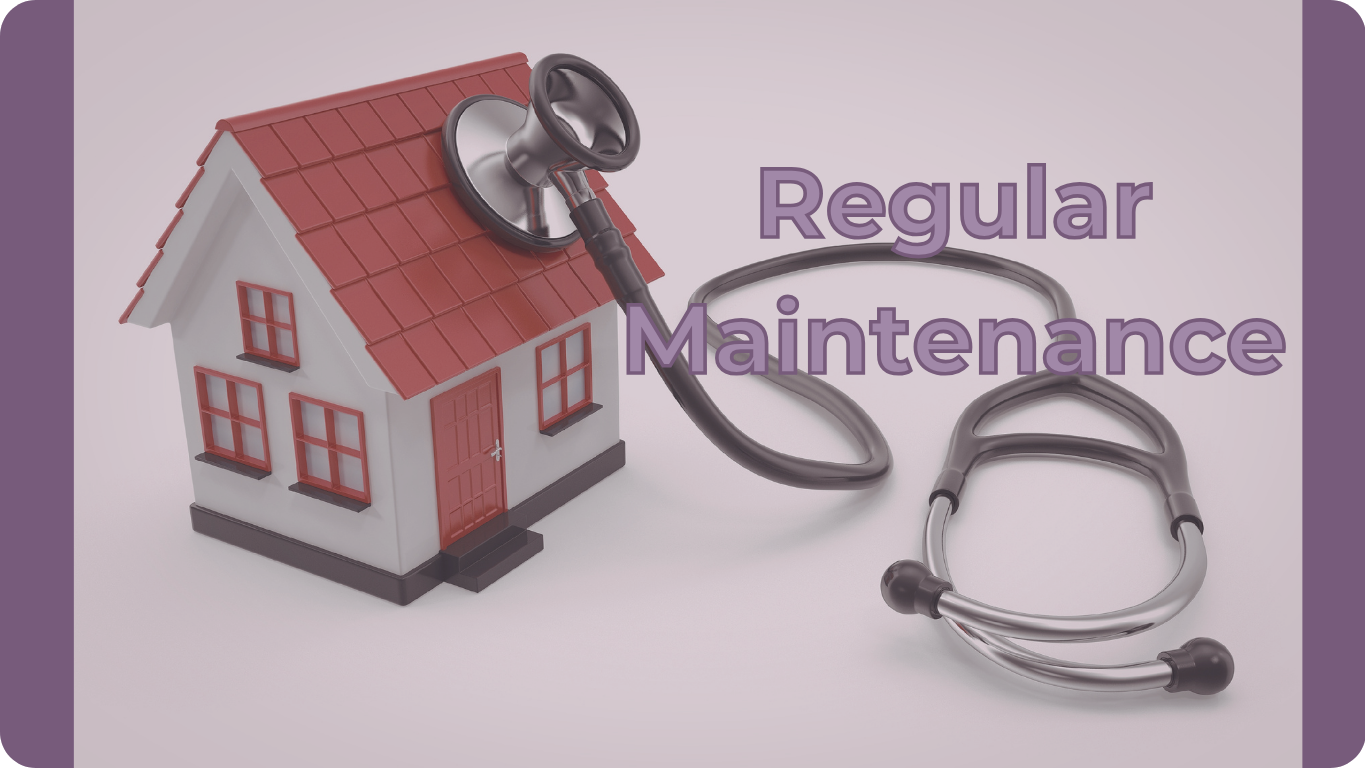
4) Neglecting Regular Maintenance
The Mistake:
Ignoring routine maintenance or tenant repair requests can lead to significant costs down the road, legal trouble for habitability violations, and strained relationships with tenants.
How to Avoid It:
- Annual Inspections: Schedule property walkthroughs to identify potential issues early.
- Be Proactive: Address wear-and-tear items before they become safety hazards or cause tenant dissatisfaction.
- Emergency Response Plan: Ensure you have a reliable system in place for 24/7 emergency repairs.
- Document Repairs: Keep records of all maintenance work to demonstrate compliance with habitability standards.
5) Setting Rents Too High or Too Low
The Mistake:
Setting rent incorrectly can either lead to extended vacancies (too high) or lost revenue (too low).
How to Avoid It:
- Market Analysis: Research comparable rentals in your area to determine fair market value.
- Dynamic Pricing: Adjust your rates based on demand, seasonality, and amenities.
- Balance Occupancy and Profitability: Sometimes accepting slightly lower rent ensures long-term stability with a quality tenant.
6) Poor Communication with Tenants
The Mistake:
Delayed or ineffective communication can result in tenant frustration, misunderstandings, and even legal disputes.
How to Avoid It:
- Be Responsive: Respond to tenant inquiries within 24 hours whenever possible.
- Document Everything: Keep written records of all communications, including repair requests and lease modifications.
- Set Expectations: Clearly outline your communication policies in the lease agreement, including preferred methods (email, text, etc.).
- Professional Tone: Even in disputes, maintain a calm and respectful tone to de-escalate tension.

7) Overlooking Insurance and Risk Management
The Mistake:
Many property providers assume their homeowner’s insurance covers all risks, or they forget to require renter’s insurance, leaving them vulnerable to liability.
How to Avoid It:
- Review Your Policy: Ensure your landlord insurance covers liability, loss of rent, and property damage.
- Require Renter’s Insurance: Include a clause in the lease requiring tenants to carry renter’s insurance and provide proof annually.
- Risk Assessment: Regularly inspect the property for hazards (e.g., broken stairs, faulty wiring) to minimize liability.
Tip: Risk management isn’t just insurance. It is also proactive inspections, quick repairs, and clear documentation.
Closing Thoughts
Avoiding these common mistakes can save California property providers significant time, money, and stress. By staying proactive, informed, and organized, you can protect your investment, retain happy tenants, and enjoy long-term success. EJ Properties has many procedures in place to assist with maintaining compliance and to avoid these common pitfalls.
Need help building reliable, compliant systems?
EJ Properties supports California property providers with leasing, screening, documentation, maintenance coordination, and tenant communication so you can reduce stress and protect your investment.
Want fewer headaches and better tenants?
Contact EJ Properties for compliant, full-service property management tailored to your goals.
Contact EJ PropertiesCategories
- All Blogs (35)
- ca (31)
- California Real Estate (28)
- civil code (17)
- cost segregation (8)
- end of year (9)
- leasing (14)
- listing (13)
- multi unit (14)
- orange county (26)
- probate sale (11)
- property management (24)
- rental laws (19)
- rentals (20)
- sales (11)
- security deposits (13)
- strategy (21)
- trust sale (8)
Recent Posts